First Time to Europe? What You Need to Know Before You Go
- gabriella1378
- Jan 11
- 4 min read
Updated: Jan 11
Planning your first European adventure is exciting, but it can also feel overwhelming. With so many countries, cultures, and logistics to consider, where do you even start? After over 10 years of guiding travelers through Europe, I’ve seen firsthand what makes the difference between a stressful trip and an unforgettable journey.
Start Planning Your European Trip Earlier Than You Think
The Mistake: Waiting until a few months before departure to start planning.
The Reality: European travel requires advance planning, especially during peak season (April–October). Popular hotels, tours, and experiences book up months in advance. Flights are most affordable 3–6 months out.
The Solution: Start planning at least 6–9 months before your desired travel dates. This gives you access to better availability, pricing, and the time to craft a thoughtful itinerary rather than settling for what’s left.

Don’t Try to See Everything On Your First Trip
The Mistake: The “If it’s Tuesday, this must be Belgium” approach, trying to cram 8 countries into 10 days.
The Reality: You’ll spend more time in airports and train stations than actually experiencing destinations. You’ll return exhausted, not enriched.
The Solution: Choose 2–3 destinations maximum for a 10–14 day trip. Spend quality time in each place. Experience the rhythm of daily life. Eat leisurely meals. Wander without a schedule. This is how you create lasting memories.

Understand the True Cost of European Travel
The Mistake: Budgeting only for flights and hotels, then being shocked by on-the-ground costs.
The Reality: Meals, transportation between cities, museum entries, tours, tips, and souvenirs add up quickly. Europe isn’t cheap, especially Western Europe.
The Budget Breakdown: - Accommodation: €200–800+ per night (depending on location and season) - Meals: €50–100+ per person per day - Inter-city transportation: €50–200+ per segment - Tours and experiences: €50–700+ per activity - Travel insurance: Essential, not optional
The Solution: Work with realistic numbers from the start. A well-planned European vacation typically ranges from $13,000–$25,000 for two people for 10–14 days, including flights, accommodations, experiences, and meals. Professional planning helps maximize value within your budget.

Navigate Transportation Like a Pro
The Mistake: Assuming you can just “figure it out” when you arrive.
The Reality: European transportation is efficient but complex. Train systems vary by country. Rental car requirements differ. City transit can be confusing.
What You Need to Know: - Trains: Book high-speed trains (France’s TGV, Italy’s Trenitalia) in advance for better prices - Flights: Budget airlines (Ryanair, EasyJet) have strict baggage rules and fly from secondary airports - Rental Cars: International driver’s permits may be required; manual transmission is standard - City Transit: Buy multi-day passes; validate tickets to avoid fines
The Solution: Have transportation pre-booked and clearly outlined in your itinerary. Know exactly how you’re getting from Point A to Point B, with backup options if needed.

Master the Practical Essentials
Passports and Visas
· Passport must be valid for at least 6 months beyond your return date
· US citizens can stay in the Schengen Area (most of Europe) for up to 90 days visa-free
· Starting (maybe) in 2026, ETIAS (European Travel Information and Authorization System) will be required, a simple online application
Money Matters
· Notify your bank and credit card companies before traveling
· Carry a chip-and-PIN credit card (many European machines require it)
· Have some euros or local currency in cash before you arrive
· ATMs offer the best exchange rates; avoid airport exchange counters
Power and Connectivity
· Europe uses Type C and Type E/F plugs (different from US)
· Bring a universal adapter
· Consider an international phone plan or local SIM card
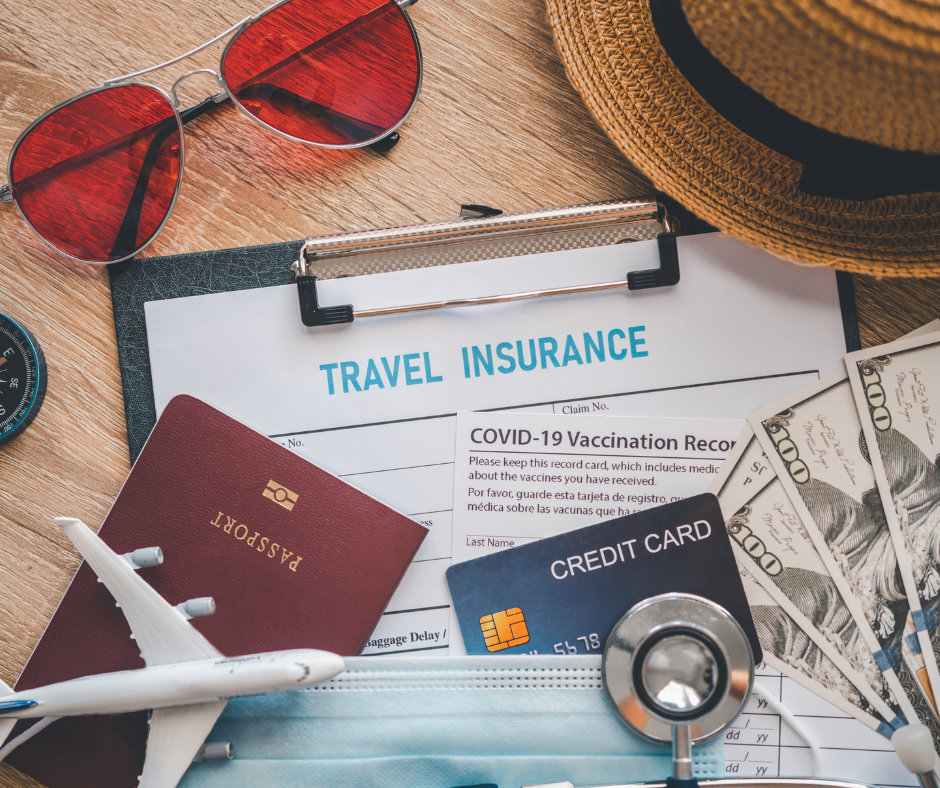
Travel Insurance
· Non-negotiable for international travel
· Should cover medical emergencies, trip cancellation, delays, and lost luggage
· Medical coverage abroad is essential, your US health insurance likely doesn’t cover you in Europe
Avoid Common First-Timer Mistakes
Overpacking: You’ll be moving between destinations. Pack half of what you think you need. European hotels often have small rooms and no elevators.
Ignoring Jet Lag: You’ll arrive exhausted. Don’t schedule important activities on Day 1. Build in adjustment time.
Skipping Reservations: Popular restaurants and attractions require advance bookings. Don’t assume you can walk in.
Not Learning Basic Phrases: “Hello,” “please,” “thank you,” and “excuse me” in the local language go a long way.
Underestimating Walking: European cities are best explored on foot. Bring comfortable, broken-in walking shoes.

The Value of Professional Travel Planning
Here’s what I’ve learned after a decade of guiding travelers through Europe: The difference between a good trip and an extraordinary trip is in the details.
What Professional Planning Provides:
Insider Knowledge - Which neighborhoods to stay in (and which to avoid) - Restaurants locals actually eat at - The best time to visit major attractions to avoid crowds - Hidden gems guidebooks don’t mention
Optimized Itineraries - Logical routing that minimizes backtracking - Balanced pacing—not too rushed, not too much downtime - Contingency plans for weather or unexpected closures
Seamless Logistics - All transportation pre-booked and coordinated - Hotel locations chosen for convenience and experience - Tickets and reservations secured in advance - Detailed daily plans in an easy-to-use app
Ongoing Support - Questions answered before you leave - Real-time assistance if issues arise during your trip - Someone advocating for you if problems occur
Peace of Mind - Travel insurance recommendations - Emergency contacts and protocols - Everything organized and confirmed

Your First European Adventure Awaits
First-time European travel should be exciting, not stressful. With proper planning, realistic expectations, and expert guidance, your inaugural trip can be everything you’ve dreamed of… and more.
With over 10 years of experience as a professional tour guide and specialized destination knowledge across Italy, France, Switzerland, Austria, Hungary, England, Ireland, and Greece, I create fully customized itineraries designed specifically for first-time European travelers.
Here’s How We’ll Work Together:
1. Free Consultation: We’ll discuss your travel dreams, interests, budget, and concerns
2. Customized Proposal: I’ll create a detailed itinerary tailored to your preferences
3. Review and Refine: We’ll adjust until it’s exactly what you want
4. Booking and Support: I’ll handle all reservations and provide ongoing assistance

Ready to start planning your first European adventure?
Schedule your free consultation today. Let’s turn your European dreams into a perfectly planned reality with the expertise and support that makes your first trip unforgettable.
Visit www.now-or-never-travel.com or reach out directly to be


Comments